When the Interval Became Part of the Concert
Concert intervals can divide a programme, give performers time to reset and shape the audience’s experience; learn how to read the pause in context.
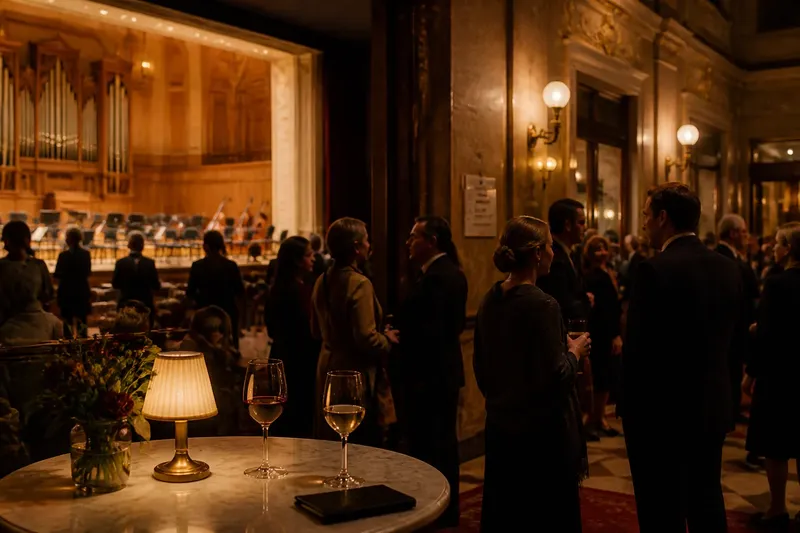
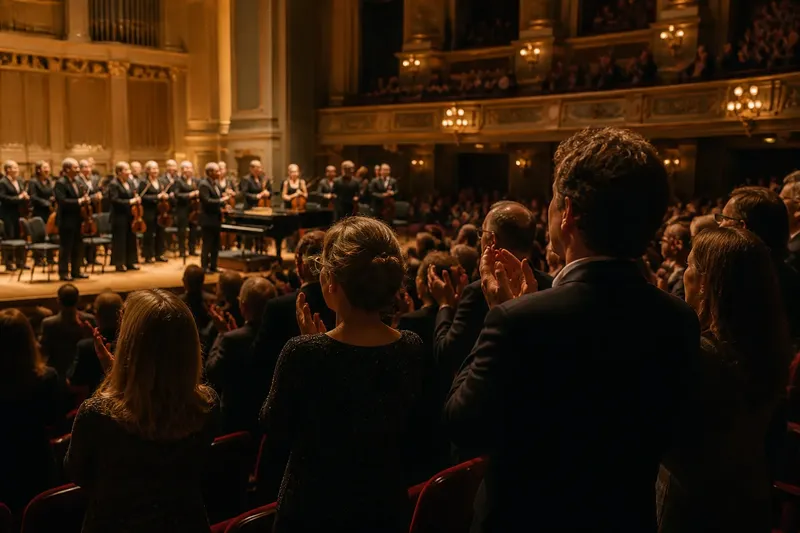
The final chord fades, people rise, and the concert hall empties towards the foyer. The interval has begun—but when did the concert interval become part of the event? There is no single origin point to name: breaks developed alongside changing performance formats, practical needs and the social life of music.
That history is best understood through specific contexts rather than a tidy timeline. An interval can let musicians alter the stage, give listeners a pause or mark a division in the programme. Those purposes may overlap, and their importance varies from concert to concert.
When did the concert interval become customary?
There is no defensible single date when the interval entered concert life. Public performances have taken place in many kinds of settings, with different expectations about movement, conversation and attention. Without tying the story to a particular city, institution or documented programme, a precise claim about the interval’s arrival would be misleading.
It is safer to describe the interval as a practice shaped by circumstances. A performance might pause because musicians need to rearrange the stage, because a long programme is divided into parts, or because the event includes a social break. These explanations do not establish a universal sequence in which one purpose replaced another.
The distinction matters: a practical pause is not necessarily evidence of a particular historical custom, and a lively foyer does not tell us when that custom began. To trace a local history, a reader would need dated programmes, venue records or contemporary accounts from the place in question.
What practical work does a break perform?
An interval can give musicians and crew time to change the platform, move chairs or prepare different instruments. For listeners, it offers a chance to stretch, use the facilities or return to the next section with fresh attention. These are straightforward functions, not claims about how every concert was organised in the past.
A pause also changes the flow of the music. After a forceful ending, conversation and movement can loosen the atmosphere; after a demanding sequence, a break can give the audience space before the next work. Whether that interruption helps depends on the programme’s intended shape.
Not every pause deserves elaborate interpretation. If the event information gives no musical reason for the break, it may simply be there to make the evening manageable or accommodate a stage change.
How does the foyer shape the interval?
In the foyer, a break can become part of the occasion. People greet friends, exchange a few words about the performance or find a quieter corner. The social character depends on the venue and the audience; it is not a compulsory ceremony.
Concert customs vary. At one hall, listeners may gather near a bar; elsewhere, they may remain in their seats or step outside. Staying quiet, chatting with a companion or taking a short walk are all ordinary ways to spend the pause, subject to the venue’s arrangements.
How can a pause shape a programme?
Programme designers may place an interval between works to make a contrast audible: a reflective first part can be followed by something more expansive, for instance. The pause gives the two sections separate frames, though it can also interrupt a connection the performers want listeners to hear.
Imagine a programme listing two works that are meant to run directly into one another. If the organisers place the break between them, the audience may experience a clear division; if they keep the works together and schedule the interval afterwards, the musical link remains unbroken. The observable difference is where applause, movement and conversation enter the sequence—not proof that one arrangement is universally better.
What do readers ask about concert intervals?
Does every classical concert have an interval?
No. Some events are continuous, while others include a break. The programme and venue information are the clearest guides to a particular performance.
Why might a concert pause between works?
The break may allow a stage change, give listeners time to rest or divide the programme into sections. Several reasons can apply at once.
Can I stay in the auditorium during the interval?
Often, yes, though venue arrangements differ. Check signs or ask an usher if the hall is closed during the break.
How can I tell whether there will be a break?
Look at the event listing or programme notes for an interval notice and the order of works. If details are unclear, the venue can confirm its arrangements.
What should a programme listing tell you?
Imagine you are reading a listing for a concert with two sections and a scheduled break. The starting information is the order of works and the interval notice; you check whether the pause falls between connected pieces, then see whether the venue explains a stage change. If the works are listed as a continuous sequence, the trade-off is clear: a break may divide their flow. If the listing places the pause after that sequence, the connection stays intact, though the audience still leaves the musical thread before the next section.
- Check for an interval notice: if one is listed, plan for a break; if none appears, check the venue listing rather than assuming the performance is continuous.
- Check which works sit on either side: if a linked sequence is split, expect a pause in its flow; if the works remain together, expect the connection to continue.
- Check for a stated stage change: if the listing mentions one, allow for a practical reset; if it does not, treat the pause’s purpose as unspecified.
- Check the venue’s access information: if the auditorium remains open, staying seated may be possible; if it closes, follow the venue’s directions to the foyer or another area.
- Check whether the programme gives separate sections: if it does, use that division to understand the planned shape; if it does not, avoid inferring a musical argument from the break alone.
- Check whether the schedule is described as continuous: if it is, expect the works to run without a planned interval; if the wording is unclear, ask the venue before the performance.
The concert interval is therefore easiest to understand as a flexible part of performance practice, not as a custom with one universal beginning. Its placement can reveal how an event balances musical continuity, practical changes and the audience’s presence in the hall.
For the history of a particular interval tradition, the useful next clue is local evidence: an old programme, a venue archive or a contemporary description of a specific performance. That is where a general account can become a reliable story about a particular place.